
Kherish Journal · Jewelry Care
The Complete Jewelry Care Guide
How to clean, protect, store, and care for the jewelry you love, from sterling silver and gold vermeil to solid gold, tungsten carbide, gemstones, opals, and everyday ring settings.

Care that protects the details
Beautiful jewelry stays beautiful when the care matches the piece.
Every metal, gemstone, setting, and finish responds differently to daily wear. The safest routine is not aggressive cleaning. It is gentle, consistent care that removes buildup while protecting the surface, stone, plating, and setting.
This guide covers the routines that matter most, including what to remove jewelry for, how to clean different metals, which gemstones need extra care, how to store pieces properly, and when it is better to stop cleaning at home and have a piece professionally inspected.
Mild soap, soft cloths, soft brushes, and careful drying are safer than aggressive cleaners.
Take jewelry off for workouts, heavy lifting, gardening, cleaning, and rough manual work.
Perfume, bleach, chlorine, cleaners, and beauty products can affect metals and gemstones.
Individual pouches and compartments help prevent scratches, tangles, and friction.
The foundation
The Everyday Habits That Make the Biggest Difference
Most jewelry wear happens gradually. Tiny scratches, residue from lotions, moisture, friction, and repeated impact can build up long before a piece looks noticeably different.
Good everyday habits
- Put jewelry on after perfume, hairspray, lotion, sunscreen, and other beauty products have dried.
- Wipe frequently worn pieces with a clean soft cloth after wearing them.
- Remove rings before lifting heavy objects or doing work that places pressure on the setting.
- Store pieces individually whenever possible.
- Check rings occasionally for movement, catching prongs, or stones that appear loose.
- Dry jewelry completely before returning it to a jewelry box or pouch.
Times to remove jewelry
- Swimming in pools, hot tubs, lakes, or the ocean.
- Showering or bathing, particularly when wearing plated jewelry.
- Exercise, weight training, climbing, and contact sports.
- Gardening, construction, moving furniture, or mechanical work.
- Using bleach, chlorine, household cleaners, or other strong chemicals.
- Sleeping in delicate necklaces, earrings, or settings that may snag.

Metal care
How to Care for Sterling Silver
Sterling silver is made primarily from silver with additional metal added for strength. It is durable enough for jewelry, but its surface can naturally tarnish when it reacts with air, moisture, skin chemistry, and environmental compounds.
Keep the surface bright
For light cleaning, use a soft jewelry polishing cloth made for sterling silver. For more buildup, use lukewarm water with a small amount of mild soap, then rinse carefully and dry completely.
Reduce exposure between wears
Store sterling silver in a dry pouch, lined jewelry box, or individual compartment. Anti tarnish storage materials can also help reduce environmental exposure.
Do not over polish
Avoid rough cloths, abrasive powders, toothpaste, and aggressive scrubbing. These can create fine surface scratches or affect intentionally oxidized details.
Gemstones change the cleaning rules
A cleaning method that is appropriate for plain sterling silver may not be appropriate for the gemstone set into it. Always follow the needs of the most delicate material in the piece.
Plated precious metal
How to Care for Gold Vermeil
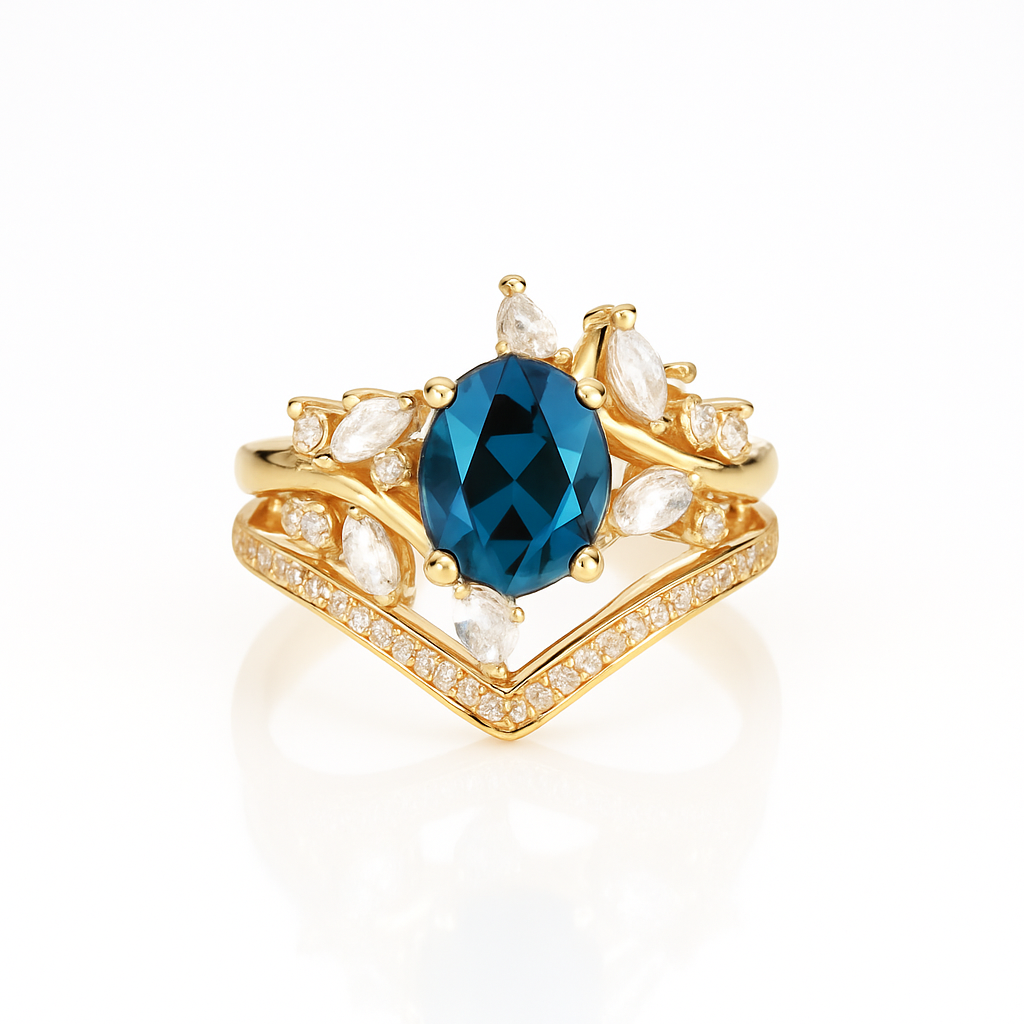
Gold vermeil combines a sterling silver base with a substantial layer of gold. Its surface should be treated more gently than solid gold because excessive friction, polishing, chemicals, and moisture can gradually wear the outer gold layer.
Protect the gold surface first.
Avoid aggressive polishing compounds and silver polishing cloths on gold vermeil. They are designed to remove material from the surface and can shorten the life of the gold finish.
- Remove before showering, swimming, exercising, and sleeping.
- Keep away from perfume, lotion, sunscreen, chlorine, and household cleaners.
- After wearing, wipe gently with a clean dry microfiber or very soft jewelry cloth.
- Store in its own soft pouch or compartment to reduce rubbing.
- Do not scrub plated surfaces with stiff brushes.
Classic precious metal
How to Care for Solid Gold
Solid gold is highly resistant to tarnish, but it can still collect oils, soap, makeup, and everyday residue. It can also scratch, particularly at higher karat levels where the metal is softer.
At home cleaning
- Use lukewarm water and a small amount of mild dish soap.
- Use a very soft brush only when the gemstone can safely tolerate it.
- Rinse thoroughly so soap does not dry underneath settings.
- Pat dry with a soft lint free cloth.
- Allow detailed settings to dry fully before storing.
What to protect it from
- Chlorine and bleach.
- Repeated impact against hard surfaces.
- Contact with abrasive jewelry or gemstones during storage.
- Over polishing that gradually changes crisp surface details.
- Ultrasonic cleaning when the gemstone or setting is not suitable for it.
Modern durability
How to Care for Tungsten Carbide
Tungsten carbide is valued for its weight, polished finish, and exceptional scratch resistance. Its hardness is a strength, but it also means the material behaves differently from softer precious metals.
Soap and water is enough
Clean with lukewarm water, mild soap, and a soft cloth. Rinse thoroughly and dry completely.
Extreme impact
Although tungsten is very resistant to scratching, it is not indestructible. Strong impact against a hard surface can chip or fracture the material.
Keep cleaning simple
Avoid harsh chemical cleaners and abrasive compounds, particularly on designs that include colored finishes, inlays, or additional materials.
Give it its own space
Store separately from softer jewelry so the hard tungsten surface does not rub against or scratch other pieces.
Stone specific care
Gemstones Do Not All Want the Same Treatment
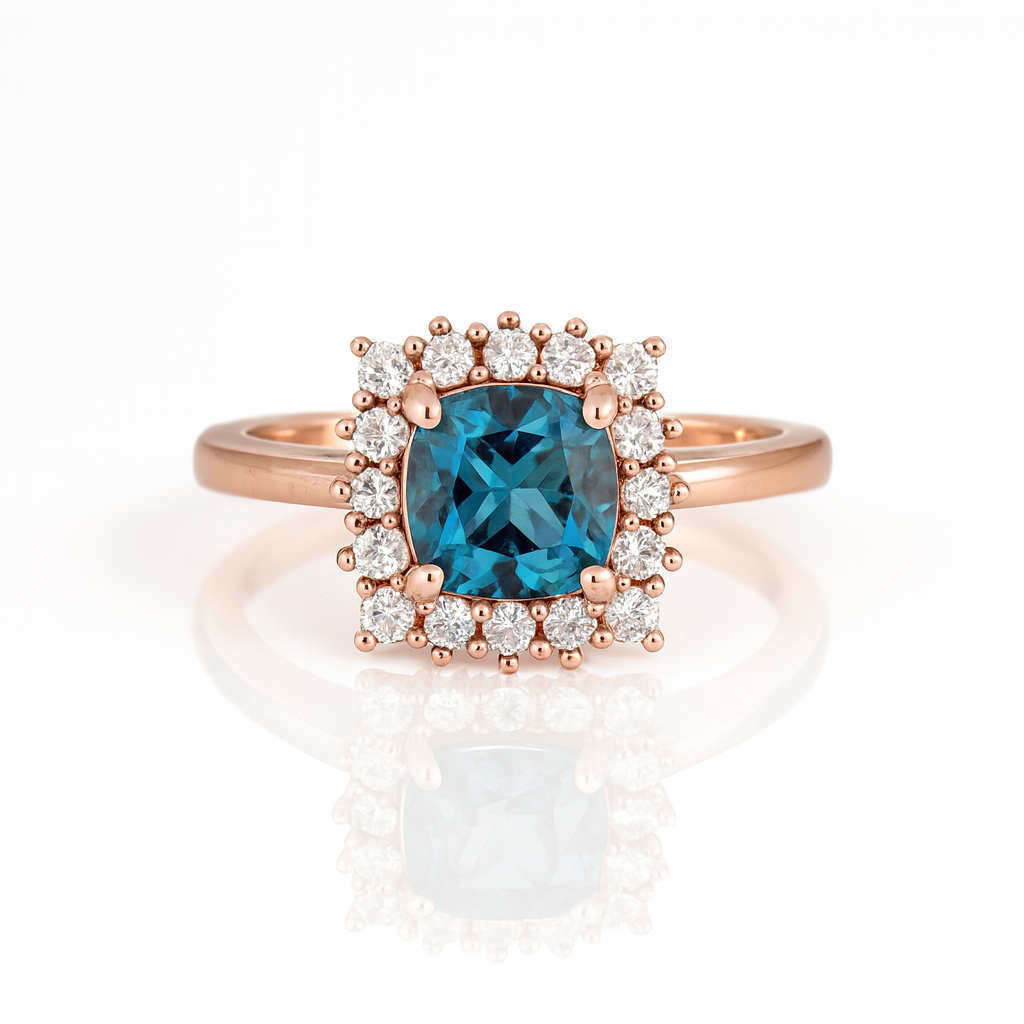
Gemstone hardness is only one part of jewelry care. Some stones are sensitive to heat. Others are porous, naturally included, layered, treated, or more vulnerable to impact. The safest cleaning routine should always be based on the most delicate component of the piece.
| Gemstone | General Care Level | Best Routine | Extra Caution |
|---|---|---|---|
| Diamond | Durable | Mild soap, lukewarm water, soft brush | Protect settings from impact even though the stone is very hard |
| Moissanite | Durable | Mild soap, water, soft brush or cloth | Oil and product buildup can reduce visible brilliance |
| Sapphire and Ruby | Durable | Gentle soap and water cleaning | Check treatment information before specialized cleaning |
| Topaz | Moderate to durable | Lukewarm water, mild soap, soft cloth | Protect from sharp impact and sudden temperature changes |
| Aquamarine | Moderate to durable | Gentle soap, lukewarm water, soft brush | Avoid hard impact around exposed edges |
| Emerald | Needs additional care | Soft cloth and gentle lukewarm soapy water | Avoid aggressive heat, chemicals, steam, and ultrasonic cleaning unless professionally approved |
| Moss Agate and Quartz | Moderate | Mild soap, water, soft cloth | Protect polished surfaces and pointed cuts from hard impact |
| Moonstone | Delicate | Soft damp cloth and mild soap when needed | Avoid impact, harsh chemicals, and aggressive mechanical cleaning |
| Opal | Delicate | Soft damp cloth and very gentle cleaning | Avoid harsh cleaners, extreme heat, and abrupt temperature changes |
Treatment, construction, inclusions, adhesives, and setting style can change what is safe for an individual piece. When you are uncertain, use the gentlest cleaning method or contact a jeweler before using specialized equipment.
Extra gentle
Opal, Moonstone, and Delicate Gemstone Care
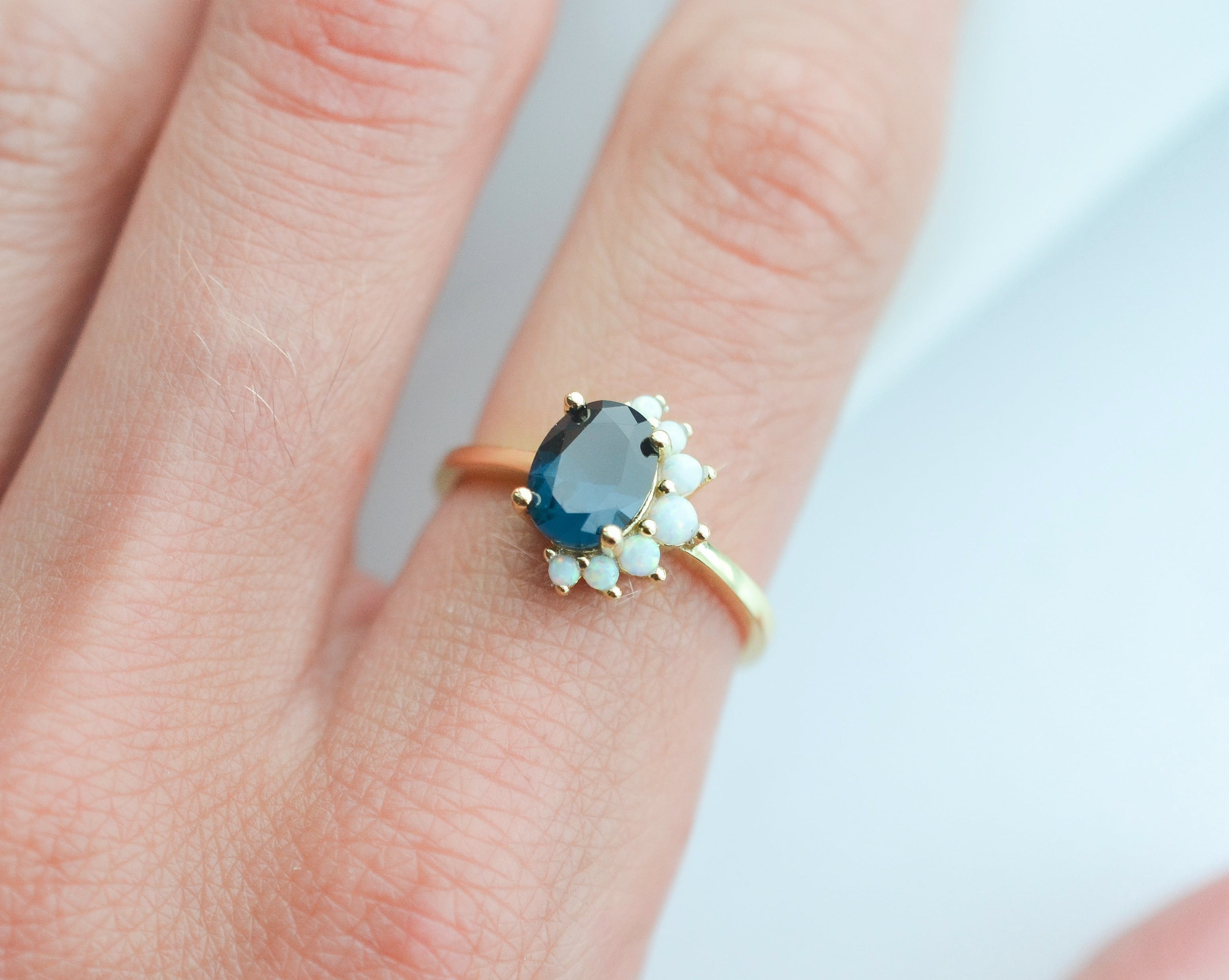
Softer or structurally delicate gemstones reward a lighter touch. These are the pieces to treat as jewelry rather than equipment. Protect them from direct impact and avoid assuming that a cleaning method used for diamond jewelry is automatically safe for them.
For delicate stones
- Clean only when necessary.
- Use a soft cloth and mild soap.
- Use lukewarm rather than very hot water.
- Dry gently instead of rubbing aggressively.
- Store away from harder gemstones that can scratch them.
- Remove before activities where the stone can strike a hard surface.
Avoid experimenting with
- Bleach or household cleaning products.
- Toothpaste or baking soda scrubs.
- Very hot water.
- Steam cleaners.
- Ultrasonic machines unless a professional has confirmed they are appropriate.
- Long soaking periods for pieces with delicate or unknown construction.
Simple routine
How to Clean Most Jewelry at Home
For jewelry that is safe to clean with soap and water, a simple routine is usually more than enough. The key is patience rather than pressure.
Prepare a gentle solution
Add a small amount of mild dish soap to a bowl of lukewarm water. Avoid extremely hot water.
Clean gently
Use your fingers, a very soft cloth, or a soft bristled brush to loosen oils and debris. Pay attention to the underside of settings where buildup often collects.
Rinse carefully
Rinse with clean lukewarm water. Use a small bowl rather than cleaning directly over an open drain.
Dry completely
Pat the piece dry with a soft lint free cloth, then allow detailed settings to air dry completely before storage.
Inspect before wearing
Check that stones appear stable and prongs are not visibly bent or catching. If anything moves, stop wearing the piece until it can be inspected.
Never clean a loose stone aggressively.
If a gemstone moves, clicks, rotates unexpectedly, or a prong appears damaged, cleaning can make the problem worse. Set the piece aside and have the setting inspected first.
Between wears
Proper Jewelry Storage Matters More Than It Looks
Jewelry can scratch other jewelry. Chains can tangle. Hard gemstones can mark softer metals. Thoughtful storage reduces unnecessary contact and keeps pieces ready to wear.
Separate pieces
Use individual pouches, compartments, or soft dividers rather than placing everything together.
Keep it dry
Do not store jewelry while wet or damp. Moisture can encourage tarnish and residue buildup.
Fasten chains
Close necklace and bracelet clasps before storage to help reduce tangling.
Protect soft surfaces
Keep delicate stones and polished metals away from harder gemstones and rough surfaces.
Avoid direct sunlight
Long exposure to heat and direct sunlight is unnecessary and may not be suitable for some materials.
Travel carefully
Use a structured jewelry case with separate sections instead of placing loose jewelry into a cosmetic bag.
Rings and settings
Engagement Ring and Gemstone Ring Care
Rings experience more contact than almost any other type of jewelry. Hands touch desks, bags, door handles, cleaning products, gym equipment, countertops, and countless other surfaces throughout the day.
Protect the setting as much as the stone.
A very hard gemstone can still be lost if the setting holding it is damaged. Prongs, halos, side stones, and narrow decorative bands all benefit from mindful wear.
- Do not lift heavy objects with pressure concentrated on the ring.
- Remove rings before gym sessions, gardening, and heavy housework.
- Check exposed prongs for snagging on fabric.
- Pay attention to new rattling, movement, or clicking.
- Clean underneath raised center stones so light can enter the stone properly.
- Have heavily worn rings inspected periodically.
Know when to stop
When Jewelry Needs Professional Attention
At home cleaning is designed for routine maintenance. It is not a replacement for repair, stone tightening, prong work, resurfacing, refinishing, or specialized cleaning.
Movement or rattling
Stop wearing the piece if a gemstone moves inside the setting or makes a clicking sound.
Snagging or uneven tips
A prong that catches clothing or appears different from the others may need attention.
Bending or distortion
Rings and settings that have changed shape should be inspected before continued wear.
Deep scratching or surface change
Professional refinishing may be more appropriate than repeatedly using aggressive polishing methods at home.
Frequently asked questions
Jewelry Care, Answered Clearly
Can I wear my jewelry in the shower?
Removing jewelry before showering is the safer habit, particularly for gold vermeil, plated finishes, delicate gemstones, and pieces with detailed settings. Soap, shampoo, water, and repeated moisture can leave residue and increase surface wear.
Can I swim with my jewelry on?
It is best to remove jewelry first. Chlorinated pools, hot tubs, salt water, impact, and the possibility of losing a loosened ring all make swimming an unnecessary risk.
Why does my jewelry look cloudy even when it is not scratched?
Lotion, soap, sunscreen, skin oils, makeup, and everyday residue can build up on the metal and underneath gemstones. Gentle cleaning often restores much of the visible sparkle.
Can I use toothpaste to clean jewelry?
We do not recommend it. Toothpaste can contain abrasive ingredients that may scratch metal surfaces or damage finishes.
Can I clean all gemstones with an ultrasonic cleaner?
No. Ultrasonic cleaning is not appropriate for every gemstone, treatment, setting, or construction. Delicate, included, treated, porous, or fracture sensitive stones may require a different method.
How often should I clean a ring I wear every day?
Light wiping can be done whenever residue is visible. A more complete gentle cleaning can be done as needed based on wear. There is no benefit to aggressive daily cleaning.
What is the safest jewelry cleaner when I am unsure?
Start with a clean soft cloth. If the materials are suitable for water, use a small amount of mild soap and lukewarm water. When the gemstone, treatment, plating, or construction is unknown, professional advice is safer than experimenting.
What should I do if a gemstone feels loose?
Stop wearing the jewelry and avoid brushing or soaking it until the setting is inspected. Continuing to wear a loose stone increases the risk of losing it.
The final word
Care should preserve your jewelry, not punish it.
The best jewelry routine is simple: wear thoughtfully, keep chemicals and impact to a minimum, clean gently, store pieces separately, and pay attention when a setting begins to feel different.
A few careful habits can protect the polish, gemstone, setting, and finish that made you fall in love with the piece in the first place.
Kherish® Guide: Understanding Fine Jewelry Metals
Kherish® Ring Size Guide | International Conversion Chart
Related Posts

Anniversary Jewelry: A Gift for the Story You Already Share

Amethyst Collection - Romantic, Vintage, Celestial and Alternative Jewelry

Your Ear Piercing Is Tiny. That Does Not Mean It Has To Be Ordinary.

Kite Cut Engagement Rings: Nature and Fantasy Inspired for Fall 2026

September’s Birthstone: Why Sapphire Makes Such a Meaningful Gift

Antique and Vintage Inspired Jewelry: Taking Something Classic and Reimagining It

Men’s Nature Inspired Wedding Rings Are Going Wild in 2026


