Length, Layering, Style, and Choosing What Actually Works for You
Why Necklaces Matter More Than You Think
A necklace naturally draws attention to the center of the body. It connects the face to the rest of your look and can either blend in or become the focal point.
It can:
- Add structure to an otherwise simple outfit
- Emphasize the neckline and collarbone
- Create vertical or horizontal balance
- Serve as a statement or remain subtle
Even small changes in chain length or pendant size can completely shift the effect.

Necklace Lengths and How They Change the Look
Short Lengths (Choker to Collarbone)
- Sit close to the neck
- Highlight the neckline and jawline
- Feel more structured and modern
Best for:
- Open necklines
- Layering with longer pieces
- Creating a clean, defined look
Medium Lengths (Upper Chest)
- Sit just below the collarbone
- The most versatile range
- Easy to wear with most outfits
Best for:
- Everyday wear
- Simple pendants
- Balanced, neutral styling
Long Lengths (Mid Chest and Below)
- Create a vertical line
- Draw attention downward
- Feel more relaxed or dramatic depending on design
Best for:
- Layering
- Outfits with higher necklines
- Creating length and movement

Types of Necklaces
Chain Necklaces
Simple chains without a pendant.
Characteristics:
- Clean and minimal
- Can be worn alone or layered
- Focus on texture and thickness
They are often used as a base layer or for understated everyday wear.
Pendant Necklaces
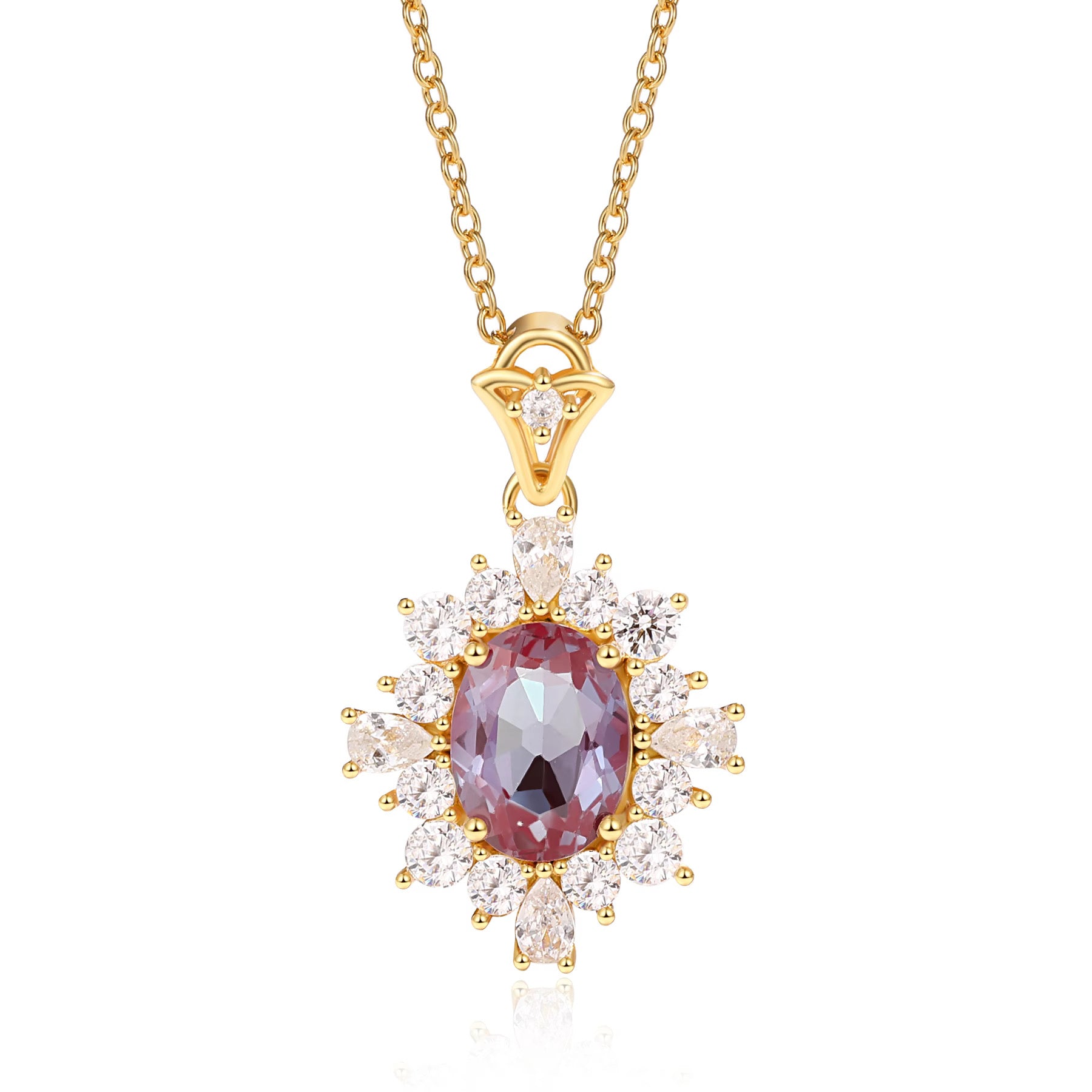
Feature a focal element attached to a chain.
Why they work:
- Draw attention to a central point
- Add personality without overwhelming
- Easy to customize based on size and shape
The pendant size and placement determine how bold or subtle the necklace feels.

Statement Necklaces
Designed to stand out immediately.
Features:
- Larger scale
- Bold shapes or multiple elements
- Often more detailed
These work best when the rest of the look is kept simple.
Lariat and Drop Necklaces
These extend downward with a vertical design.
Characteristics:
- Elongated shape
- Creates movement
- Feels more fluid than structured
They are often used to create a more refined or elongated look.

Layered Necklaces
Multiple chains worn together.
Benefits:
- Adds depth and dimension
- Allows for mixing styles
- Creates a more styled, intentional look
Layering has become one of the most common ways to wear necklaces today.
Dainty vs Statement Necklaces
This is one of the most important style decisions.
Dainty Necklaces
- Thin chains
- Small pendants or no pendant
- Lightweight feel
These are ideal for everyday wear. They feel effortless and rarely overpower an outfit.
Statement Necklaces
- Thicker chains or larger elements
- More visual weight
- Designed to stand out
These create a focal point and are often used to define an outfit rather than complement it.
Chain Styles and Texture
Smooth Chains
- Clean and reflective
- Minimal texture
- More traditional
Textured Chains
- Slight variation in surface
- More visual depth
- Less reflective, more dimensional
Structured Chains
- Heavier and more defined
- Hold their shape more firmly
- Feel more bold and noticeable
The chain itself can be the main design, even without a pendant.
Matching Necklaces to Necklines
General guidelines:
- V-neck tops pair well with pendants or drop styles
- High necklines work best with longer necklaces
- Open necklines allow for shorter or layered pieces
- Collared shirts often work best with minimal or medium-length chains
The shape of the necklace should complement the shape of the clothing.
Materials and Wearability
Material affects both comfort and durability.
Consider:
- Weight of the chain
- Skin sensitivity
- How the material ages over time
If the necklace is worn daily, comfort and durability should be prioritized.

Trends for 2026 in Necklaces
Key trends include:
- Layered looks as a standard rather than a statement
- Mixed chain textures instead of uniform designs
- Smaller pendants with meaning rather than large decorative pieces
- Longer, more fluid silhouettes for versatility
- Everyday wearability even for more styled looks
The focus is on pieces that can be worn consistently, not just occasionally.
Choosing the Right Necklace
Instead of focusing only on appearance, consider how the necklace fits into your daily life.
Ask yourself:
- Does the length work with most of your clothing
- Is it comfortable enough to wear for long periods
- Does it match your usual style
- Will you reach for it regularly
The best necklace is not the most noticeable. It is the one that feels natural to wear.

Final Thought
Featured Collection