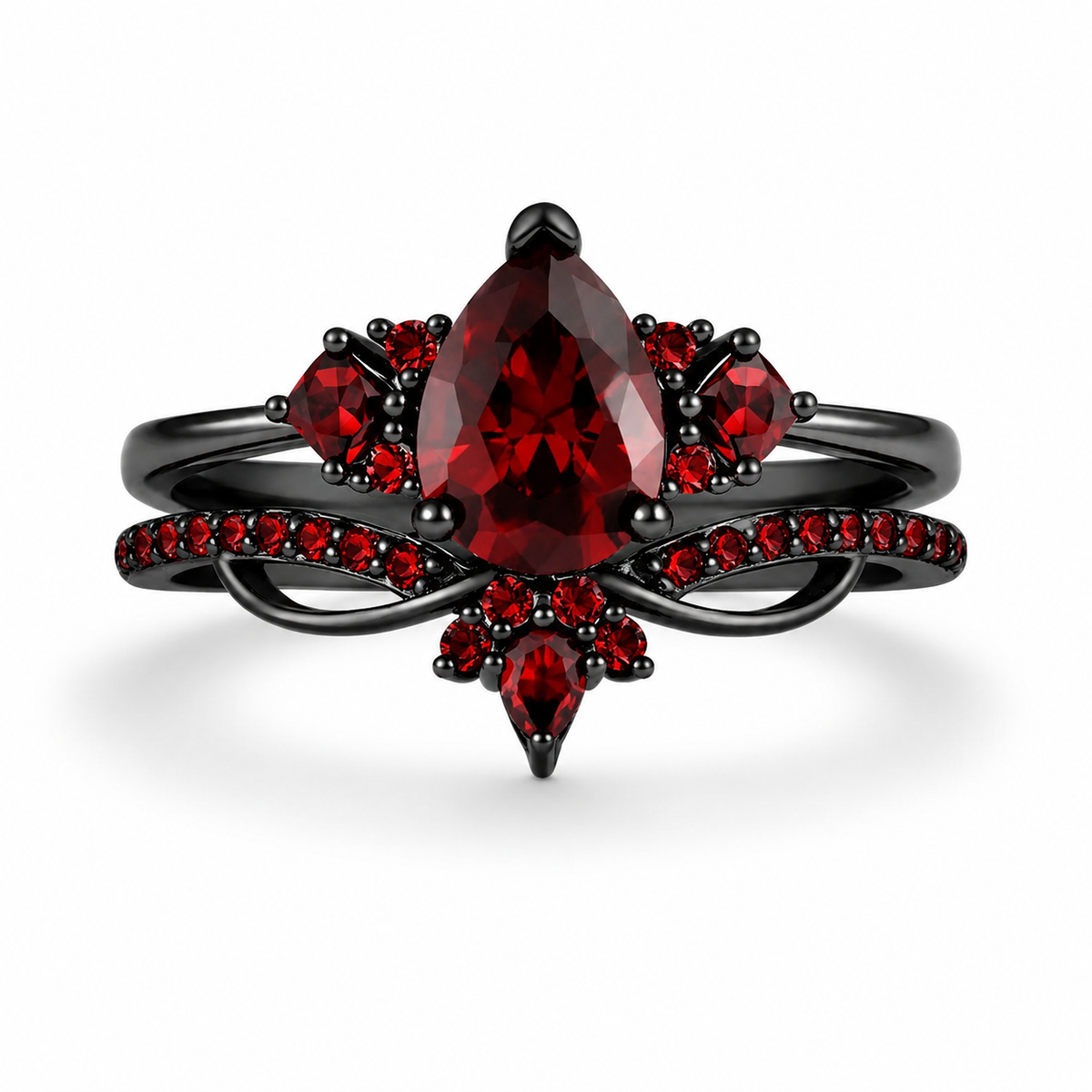
How to Choose a Ring That Feels Personal, Intentional, and Built to Last
The right ring is a balance of design, comfort, symbolism, and long-term wear. Every detail matters, from the stone you choose to the way the band feels on your hand years later.
This guide breaks down every element so the decision feels clear instead of overwhelming.

The Core Elements of an Engagement Ring
1. The Center Stone
This is the focal point. It defines the ring’s personality, color, and overall presence.
2. The Stone Shape and Cut
This controls how the stone reflects light and how it appears on the hand.
3. The Setting
This determines how the stone is held and how high or low it sits.
4. The Band
This adds structure, comfort, and design detail.
Changing any one of these completely changes the ring.

Popular Engagement Ring Styles
Classic and Timeless
These rings focus on simplicity and balance.
- Single center stone
- Symmetrical design
- Clean, polished band
They are chosen because they remain relevant regardless of trends. The simplicity allows the stone to stand on its own without distraction.
Modern Minimal
This style reduces everything down to essential elements.
- Thin bands
- Low-profile settings
- Minimal accent stones or hidden details
These rings feel refined and understated. They are designed to blend into everyday life without feeling excessive.

Vintage Inspired
Vintage designs bring in detail and
- craftsmanship.
- Decorative edges
- Intricate engraving
- Softer, romantic structure
They feel more detailed and expressive, often appealing to those who want something with visual texture and depth.
Symbolic and Two-Stone Designs
Some rings are designed to represent connection.
- Two stones placed side by side
- Contrasting shapes or colors
- Balanced but asymmetrical layouts
These rings are chosen for meaning as much as appearance.

Fantasy Style Engagement Rings
Fantasy rings are built around imagination and storytelling rather than tradition.
They often include:
- Organic shapes that resemble vines, branches, or flowing forms
- Asymmetry instead of perfect balance
- Unique stone placements that feel natural rather than structured
- Design elements inspired by mythology, nature, or celestial themes
These rings feel less like standard jewelry and more like something personal and expressive.
They are ideal for someone who wants a ring that feels completely different from anything commonly seen.
Nature-Inspired Engagement Rings
Nature-inspired rings focus on organic detail and natural beauty.
Common characteristics include:
- Leaf, floral, or branch-like metalwork
- Stones with natural inclusions or earthy tones
- Designs that feel soft and fluid rather than rigid
Some stones used in these designs have internal patterns that resemble landscapes or natural textures. This creates a ring that feels unique without needing excessive detail.
These rings tend to feel more personal because they are less uniform and more connected to natural variation.

Stone Shapes and How They Change the Look
Classic Shapes
- Round
- Oval
- Cushion
- Princess
These are widely recognized and designed to maximize brilliance.
Elongated Shapes
- Marquise
- Pear
- Emerald
- Radiant
These shapes create a longer visual line on the finger and tend to feel more dramatic.
Unique and Unconventional Shapes
- Kite
- Hexagon
- Shield
- Freeform
These shapes are less common and immediately stand out. They are chosen for individuality rather than tradition.

Rare and Alternative Stones
Common Alternatives
- Moissanite for high brilliance
- Sapphire for durability and color variety
- Emerald for depth and richness
- Morganite for softer tones
Rare and Distinct Stones
- Stones with natural inclusions that create patterns
- Color-shifting stones that appear different in different lighting
- Stones with soft internal glow rather than sharp sparkle
These options are chosen because they offer something unique. No two stones look exactly the same, which adds a level of individuality.

Dainty vs Statement Rings
Dainty Rings
- Thin bands
- Smaller or lower-profile stones
- Lightweight feel
They are subtle and easy to wear daily. They tend to blend into everyday life rather than stand out.
Statement Rings
- Larger stones
- Wider bands
- More detailed or layered settings
These rings are designed to be noticed. They feel bold and intentional.
Choosing Between the Two
The decision comes down to personality and lifestyle.
- If someone prefers minimal jewelry, dainty is the better choice
- If they like standout pieces, statement designs make more sense
- If comfort is a priority, lighter designs often work better

Setting Styles and Structure
High vs Low Settings
- High settings elevate the stone and make it more visible
- Low settings sit closer to the finger and feel more secure
Prong vs Bezel
- Prong settings expose more of the stone and allow more light
- Bezel settings surround the stone for a smoother, more protective design
Halo and Hidden Details
- Halo settings add surrounding stones for extra brilliance
- Hidden details add subtle design elements without changing the overall look

Band Design and Details
The band adds structure and personality.
Options include:
⦁ Smooth and polished bands for simplicity
⦁ Twisted or braided bands for added texture
⦁ Split bands that divide and reconnect
⦁ Engraved or patterned surfaces
Even small variations in the band can change how the entire ring feels.
Comfort and Long-Term Wear
A ring can look perfect but still not be practical.
Important comfort factors:
⦁ Weight of the ring
⦁ Width across the finger
⦁ Interior shape of the band
⦁ Edge smoothness
A ring should feel natural almost immediately. If it feels distracting, it will not be worn consistently.

Choosing Based on Lifestyle
The best engagement ring fits into daily life without effort.
Consider:
⦁ How often the ring will be worn
⦁ Whether the wearer uses their hands frequently
⦁ How much maintenance they are willing to handle
⦁ Whether durability or appearance matters more
A ring that matches lifestyle will always be worn more than one chosen purely for appearance.
How to Make the Right Choice
Instead of focusing on trends or expectations, focus on alignment.
The right ring should match:
⦁ Personal style
⦁ Comfort preferences
⦁ Daily habits
⦁ Long-term wear expectations
If all of these align, the decision becomes clear.
Final Thought
An engagement ring is not about meeting a standard. It is about choosing something that feels right from the beginning and continues to feel right over time.
The best ring is not the most traditional or the most expensive. It is the one that feels natural to wear and meaningful to keep.
Featured Collection